Introduction to Surface Water Contamination
The Middle East and North Africa region faces a severe water problem. Currently, 83% of the population lives under severe stress, and the region holds less than 2% of the world's renewable freshwater. Experts project that this scarcity will reach 100% by 2050. However, scarcity represents only one part of the growing problem. The region also suffers from severe surface water contamination that comes from industrial discharge, agricultural runoff, municipal wastewater, and conflict-related sources.
These mixed pollutants degrade already limited resources and complicate treatment efforts. This crisis requires more than a single solution because each specific contamination source needs the right treatment process. Ozone-based treatment technology offers strong oxidative capabilities that address many of these complex pollutants. Knowledge of these oxidative capabilities provides a practical foundation for infrastructure investments.
Scale of MENA Water Crisis
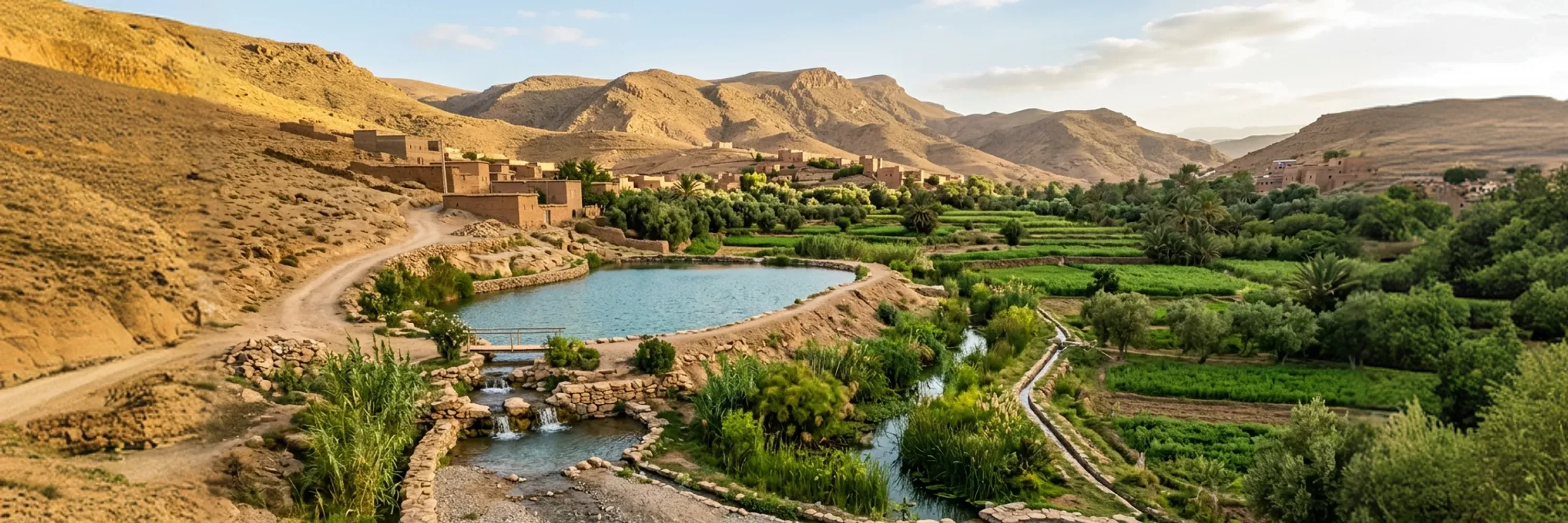
Severe scarcity and widespread pollution make the Middle East and North Africa water situation a regional threat. The region faces a shrinking resource base because it holds less than 2% of the world's renewable freshwater and supports 6% of the global population. This imbalance forces communities to rely on deteriorating infrastructure and depleted aquifers.
Climate-induced droughts accelerate this decline and concentrate pollutants in the remaining water bodies. The economic implications require precise financial planning. The World Bank projects gross domestic product losses of 6–14% by 2050 from climate-induced water scarcity across these nations.
These diminishing water reserves receive agricultural runoff, untreated municipal waste, and industrial discharge. Complex pollutant loads require specific water purification technologies. Infrastructure investments must match specific oxidative capabilities to distinct contamination profiles. Failing to implement targeted treatment solutions compromises the economic stability of the entire region. The distinct sources of surface water contamination determine the appropriate treatment infrastructure.
Industrial Contamination: Heavy Metals and Toxic Discharge
Industrial activities and petrochemical operations introduce persistent toxic compounds into regional water networks. Facilities often release untreated effluent directly into rivers and coastal zones, and this creates a need for systematic monitoring protocols. Mining operations contribute heavy metals that accumulate in downstream soils and affect local ecosystems.
Recent geopolitical events have accelerated industrial pollution across the region. For instance, the March 2026 strikes on Iranian petroleum facilities released sulfur dioxide, nitrogen dioxide, particulate matter, and carcinogenic hydrocarbons into the surrounding environment. Addressing complex industrial discharge demands a thorough understanding of how these pollutants behave in water. Ozone treatment technology degrades many of these industrial compounds and offers specific capabilities regarding different industrial contaminants:
-
It breaks down complex hydrocarbon chains into biodegradable components.
-
It requires complementary coagulation steps for heavy metals like lead and mercury.
-
It oxidizes synthetic industrial chemicals before they reach municipal intakes.
-
It demands pre-filtration when industrial effluent contains high suspended solid loads.
Agricultural Runoff as Dominant Contamination Driver
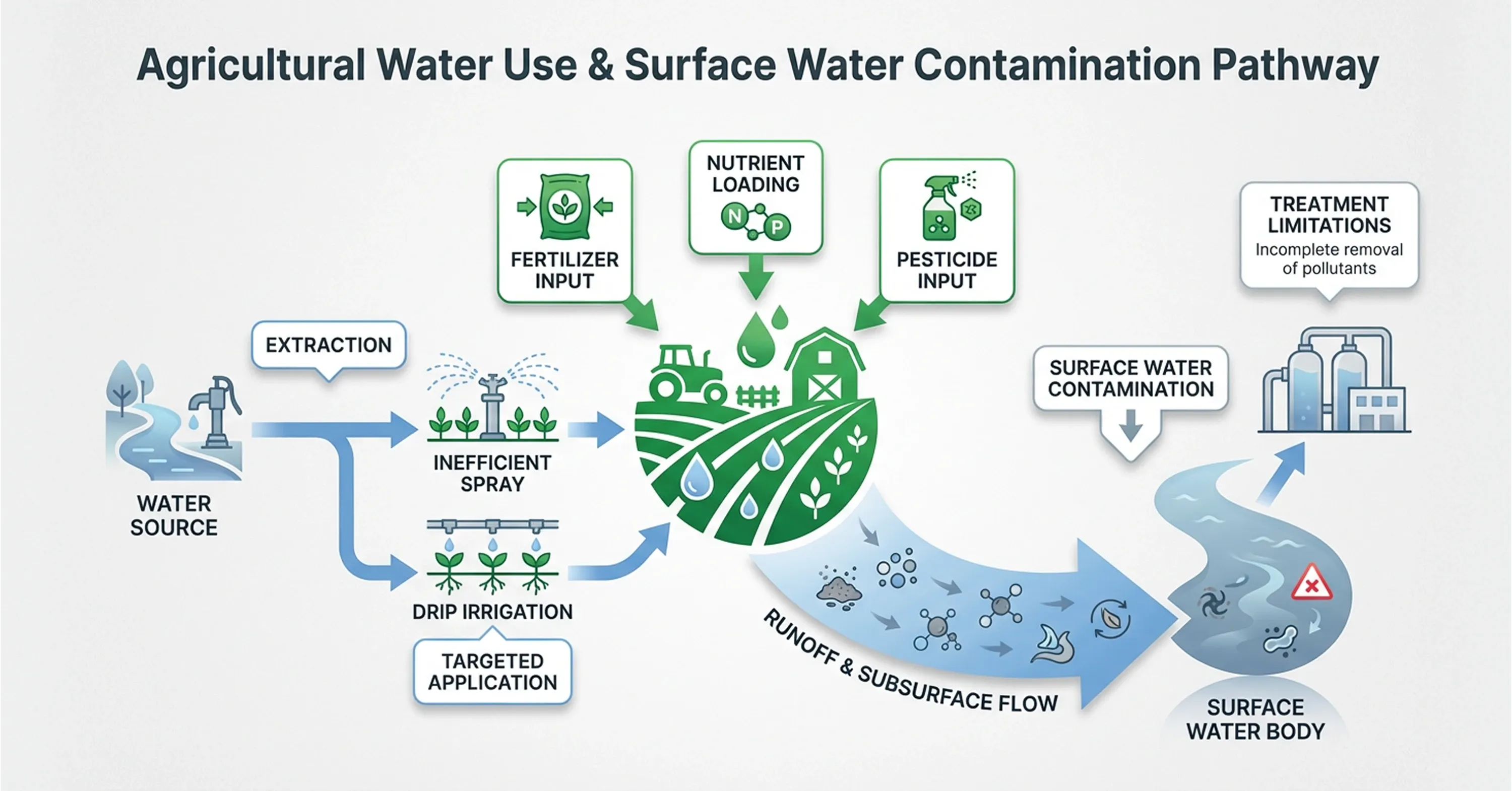
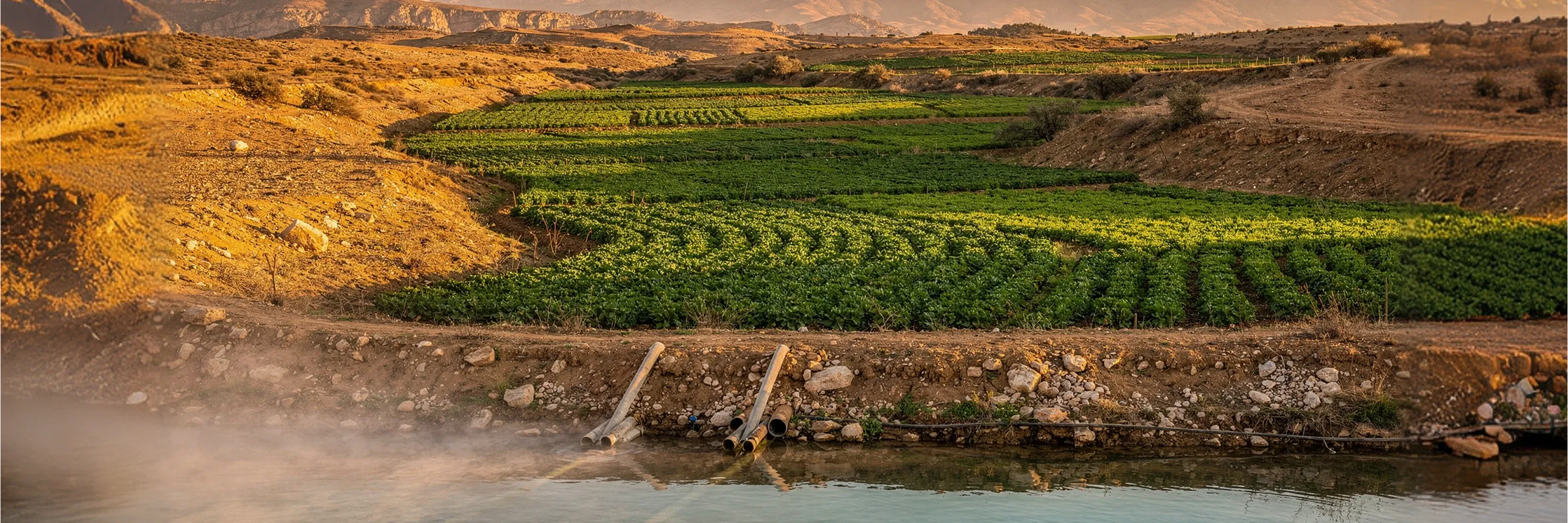
Agriculture stands as the single largest driver of surface water contamination across the region because the sector consumes nearly two-thirds of available freshwater. Farmers apply synthetic fertilizers and chemical pesticides to maintain crop yields in arid conditions. When water flows across these fields, it captures these chemicals and carries them into local rivers and aquifers.
An objective analysis of regional farming practices reveals significant inefficiencies in water application. For example, traditional spray irrigation systems lose 30% of water to evaporation, and this concentrates pesticide residues, fertilizer nutrients, and sediment in drainage systems. This concentrated nutrient loading strips oxygen from receiving waters and kills aquatic life.
Modern drip irrigation systems reduce evaporation, but they still generate chemical runoff through soil percolation. The residual pesticides and dissolved nutrients resist standard mechanical filtration methods. Ozone treatment oxidizes these organic pesticide molecules and breaks them down into harmless byproducts. However, treatment facilities require additional filtration equipment to handle the heavy sediment loads that accompany agricultural drainage. Agricultural runoff requires critical management, but untreated domestic waste presents equally urgent challenges.
Municipal Wastewater and Pathogenic Contamination
Institutional fragmentation and deteriorating infrastructure routinely release dangerous biological pathogens into municipal water networks. When wastewater treatment plants lack reliable electricity or maintenance funding, raw sewage flows directly into natural waterways. These infrastructure collapses create biological hazards that threaten downstream communities, industrial facilities, and agricultural operations.
A factual review of regional water quality data highlights the severity of this systemic failure. Researchers point to Lebanon's documented case, where 60% of main rivers contained Escherichia coli above permissible limits, and 40% exceeded fecal coliform criteria for irrigation water. Farmers who draw from these compromised rivers unknowingly apply bacteria and viruses directly to food crops.
Public health officials record spikes in waterborne diseases when populations consume produce irrigated with untreated municipal waste. Ozone technology neutralizes these municipal biological threats because it destroys bacterial cell walls and inactivates viruses without leaving harmful chemical residues behind. Municipal failures generate predictable biological loads, and modern warfare introduces unpredictable environmental variables.
How Ozone Treatment Works Against Pollutants
The transition from identifying contamination sources to implementing solutions requires a clear understanding of oxidation chemistry. Standard chlorine-based disinfection leaves persistent by-products and struggles with resistant pathogens such as Cryptosporidium and Giardia.
In contrast, modern water purification technologies use ozone to treat complex water profiles. Ozone acts as an unstable gas that oxidizes organic matter, trace pesticides, and pharmaceutical residues, and it leaves no harmful chemical trails behind. The deployment process follows a methodical approach because ozone reduces biological oxygen demand, chemical oxygen demand, color, and odor simultaneously. This broad-spectrum oxidation connects severe contamination problems with the practical technological solutions needed to restore regional watersheds.
Direct Molecular Ozone Oxidation
When ozone dissolves in water, the intact molecule reacts directly with the dissolved contaminants. This direct molecular reaction targets specific chemical bonds found in organic compounds, pesticide residues, and complex hydrocarbons. The ozone molecule breaks these complex structures into smaller, biodegradable components. Modern treatment systems rely on this direct pathway because it acts rapidly against electron-rich organic structures.
The reaction breaks down bacterial cell walls and neutralizes viruses before the ozone reverts naturally to ordinary oxygen. This primary molecular ozone oxidation dismantles resilient pollutants that traditional mechanical filtration methods simply capture and accumulate. Direct oxidation handles the bulk of the organic load, but some complex pollutants require a secondary process.
Indirect Hydroxyl Radical Pathways
Some industrial pollutants and synthetic agricultural chemicals resist direct molecular ozone attacks. In these cases, the ozone decomposition process generates highly reactive hydroxyl radicals that perform secondary oxidation. These hydroxyl radical pathways possess a higher oxidation potential than ozone itself, and they react with almost all organic and inorganic compounds in the water.
This indirect pathway treats the resistant contaminants that industrial discharge and armed conflicts introduce into the regional supply. Accurate dosing maximizes this radical formation and eliminates synthetic pharmaceutical residues. This two-pronged chemical mechanism involves direct molecular attack and indirect radical oxidation, and it improves the final water quality, but this process requires strategic evaluation before the supply reaches municipal distribution networks or agricultural fields.
Ozone Treatment for Surface Water Contamination
Strategic evaluation of the incoming water supply helps adapt ozone treatment to specific pollution profiles. Oxidation technologies do not work uniformly across all environmental challenges. Targeted solutions address the unique characteristics of each pollutant category.
Surface water contamination behaves differently depending on its origin, and treatment processes require complementary steps where ozone alone falls short. Modern commercial developments increasingly rely on predictable municipal water profiles, but regional treatment plants face highly variable influent loads.
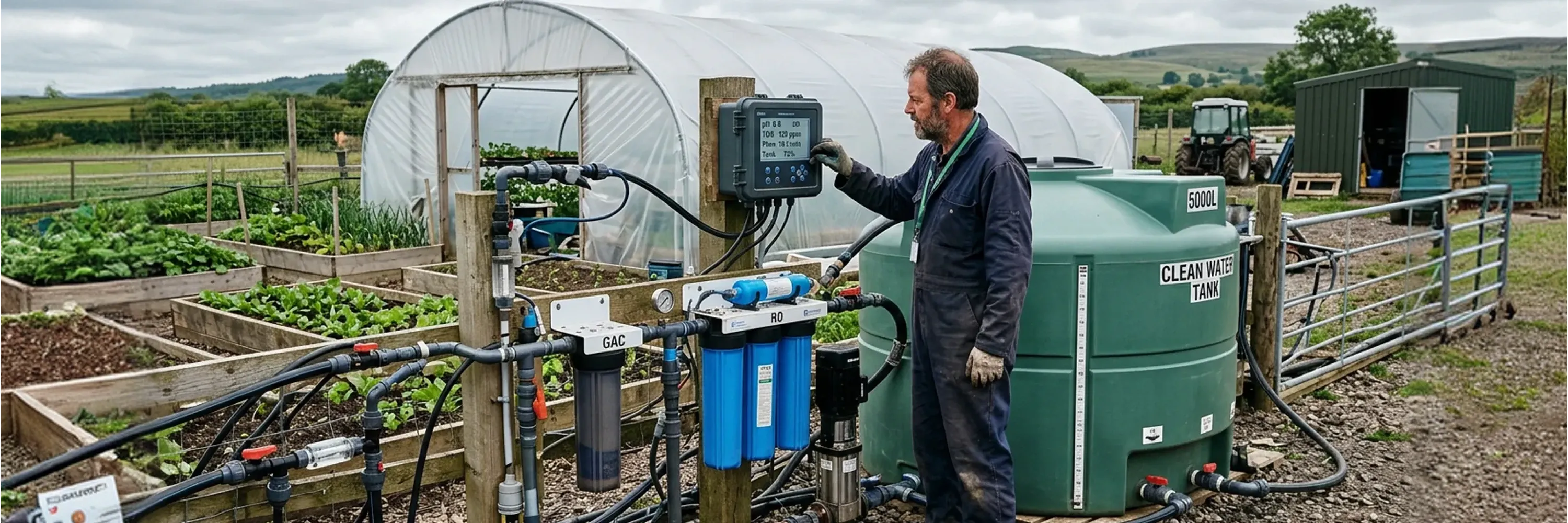
Treatment systems follow these specific steps to adapt to the contamination source:
-
Direct ozone application oxidizes dissolved organic pesticide residues and fertilizer compounds in agricultural runoff.
-
Mechanical pre-filtration combines with ozone when agricultural drainage contains heavy sediment loads that would otherwise consume the oxidative potential.
-
Ozone neutralizes the bacteria, viruses, and protozoa found in municipal wastewater, and it leaves no persistent chemical residues behind.
-
Coagulation and flocculation steps precede ozonation when treating industrial discharge that contains heavy metals such as mercury and lead.
-
On-site ozone generation handles the complex mixed-pollutant profiles that emerge from conflict-related infrastructure destruction.
Ozone dismantles complex hydrocarbon chains and neutralizes biological threats, but it does not physically remove heavy metals or large suspended solids. Treatment systems include mechanical filtration to handle the extreme surface water contamination seen across the region, and these complete purification processes enable safe water reuse.
Ozone Integration in Water Reuse
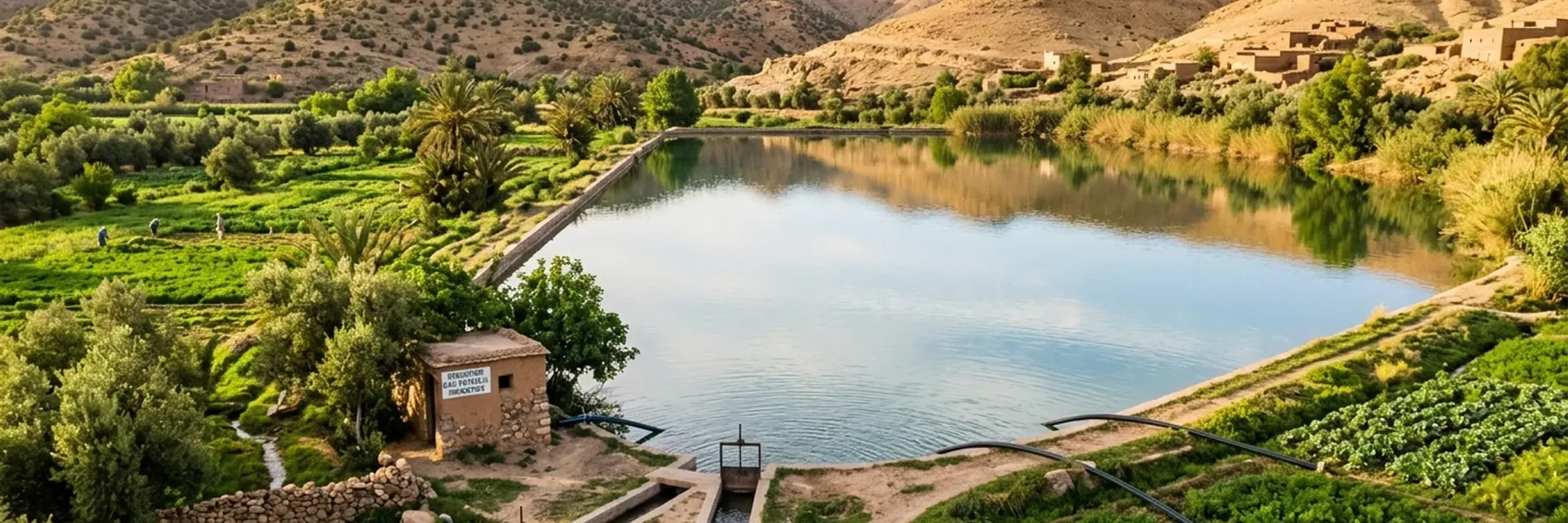
Treated wastewater provides a reliable alternative source for the heavily strained industrial and agricultural sectors. Ozone treatment easily integrates into these growing wastewater reuse networks to create safe irrigation and industrial supplies. The technology treats raw sewage and neutralizes harmful pathogens, and it leaves no chemical residues that would otherwise accumulate in agricultural soils, food crops, or industrial cooling towers. This functional integration allows farmers to irrigate their fields safely while preserving the natural soil chemistry, and it helps factories maintain clean internal processes.
Regional initiatives already demonstrate the success of this approach. For example, Ramallah's Wastewater Reuse Project captures 240,000 cubic meters of treated wastewater annually for irrigation and local operations. This project supplies local sectors with clean water that meets strict operational standards. Facilities amplify these benefits when they combine treated wastewater with precision distribution systems that save 20–40% more water than conventional methods.
The ozone-treated water prevents biofilm buildup inside the narrow distribution tubes, and this ensures the infrastructure operates at peak efficiency. This combined strategy addresses both water scarcity and water quality simultaneously. Agricultural and industrial sectors receive a consistent supply of safe water, and municipalities prevent untreated sewage from entering natural river systems. The integration of ozone into water reuse infrastructure elevates the overall water safety across the entire watershed, but this technology faces distinct energy constraints.
Energy Constraints
Ozone generation requires a significant and continuous supply of electrical energy. This power requirement historically created a barrier for communities struggling with unstable electrical grids and high operational costs. The region's abundant solar resources now make renewable-powered water purification technologies viable. Rapidly declining photovoltaic costs allow treatment facilities to pair solar arrays directly with ozone generators, and this eliminates the reliance on imported fossil fuels or fragile national power grids.
Solar-powered ozone systems offer a resilient solution for geographically dispersed communities. Facilities can scale these modular units from small agricultural cooperatives to large municipal treatment plants. Decentralized treatment modules adapt to handle localized contamination loads. Ongoing engineering innovations continue to reduce the electrical demand of these systems.
Recent research highlights an ultrasound pretreatment innovation that reduced energy use by 67% and lowered costs by up to 15.10 EUR per cubic meter. These distinct efficiency gains lower the operational barriers that previously restricted advanced treatment processes. Regional municipalities combine solar power with enhanced pretreatment methods to deploy independent, off-grid treatment systems that consistently deliver clean water despite persistent regional energy constraints.
Implementation Challenges
Ozone offers clear chemical advantages, but significant non-technical barriers emerge during infrastructure upgrades. High upfront capital costs frequently stall project approvals in economically strained municipalities. Institutional fragmentation across overlapping regional water agencies complicates the planning and execution of treatment networks. When multiple government departments manage different aspects of surface water contamination, the resulting bureaucratic delays prevent the timely installation of necessary equipment.
A pragmatic approach to governance and financing helps overcome these obstacles. Government officials increasingly recognize that engineering solutions require structured institutional support to succeed. New public-private partnership models provide the blended financing necessary to cover initial capital expenditures, and this ensures long-term maintenance funding and operator training.
Regional policy momentum currently drives these administrative improvements forward. For instance, industry experts point to Qatar's Water Law of October 2025 and Saudi Arabia's Toray Membrane facility as clear signals that national governments are modernizing their regulatory frameworks and investing heavily in advanced treatment capabilities.
These modern institutional pathways allow municipalities to adopt complex technologies safely and efficiently. The resolution of the regional water crisis demands both the precise application of ozone technology and the coordinated governance structures necessary to sustain these critical infrastructure investments over the long term.
Conclusion
Ozone treatment serves as a powerful but targeted tool rather than a universal solution for the regional water crisis. It works effectively against pathogenic and organic contaminants from agricultural and municipal sources, but requires complementary processes to handle heavy metals and high-sediment industrial discharge. Reliable energy, institutional frameworks, and coordinated governance remain equally essential to making this technology work at scale across MENA.
Agritopia supplies ozone water treatment equipment suited to the agricultural and water management challenges facing the region, supporting communities and facilities that need dependable, residue-free treatment solutions. Contact us to find out how ozone treatment can be matched to your specific surface water contamination challenges.