News and Insights

Stay up to date with the latest trends, industry insights, and expert knowledge

Blog Posts

close-up of irrigation pipe releasing water into a crop field, nourishing plants in a natural farm setting

Why Total Organic Carbon in Water Is the One Measurement That Predicts Whether Your Disinfection Program Will Work

In this article, we explain how the evaluation of the baseline of carbon-bearing organic compounds prevents chemical treatment failures across multiple water-use applications. We also examine the major pathways of organic contamination and explain how predictive measurement strategies provide a reliable foundation to adjust disinfection dosing before problems arise.

peaceful countryside landscape with a small stream, grassy fields, and a distant village under a cloudy sunset sky

Why Chemicals Used in Water Treatment Behave Differently When Organic Load in Source Water Changes

In this article, we examine how dissolved organic matter outcompetes pathogens for oxidants and causes conventional disinfection methods to fail. Understanding these molecular interactions helps design treatment systems that maintain reliable pathogen control regardless of seasonal fluctuations in source water quality.

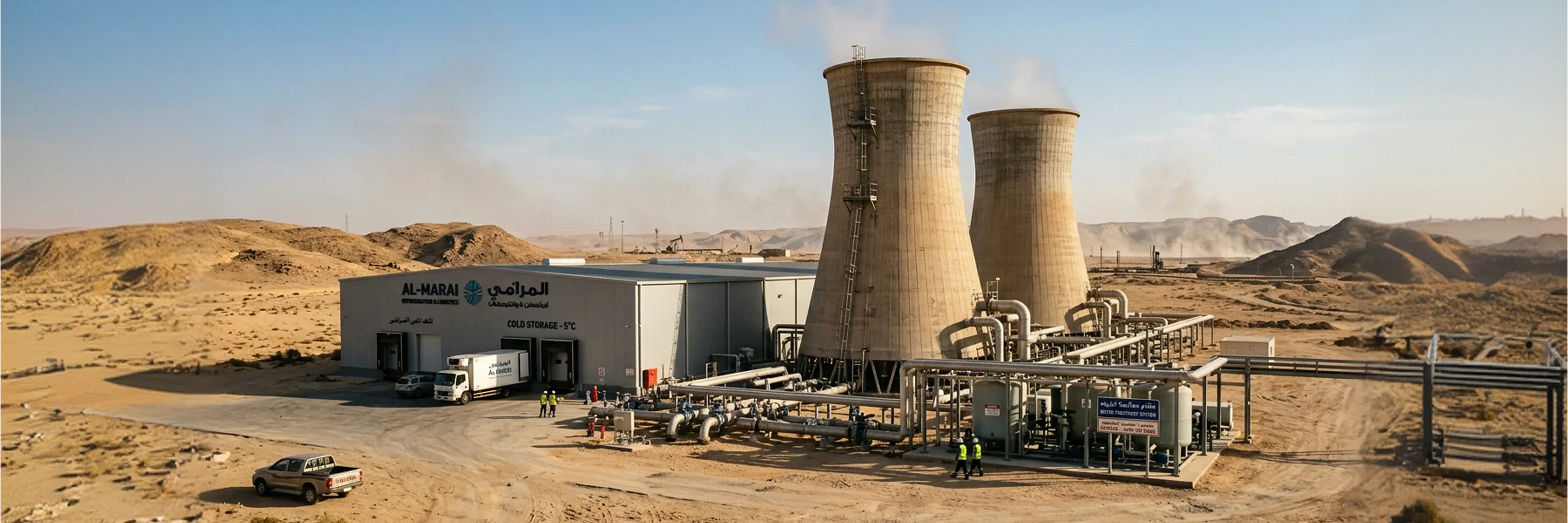
industrial facility with large cooling towers and pipeline system located in a desert landscape with storage building and service vehicles

How Ozone-Based Cooling Tower Water Treatment Solves What Chlorine Cannot in High-Temperature MENA Environments

In this article, we explain why extreme ambient heat breaks down conventional chlorine methods and explore reliable alternative treatment technologies. Stable refrigeration infrastructure maintains cold chains and prevents food spoilage across the Middle East and North Africa.

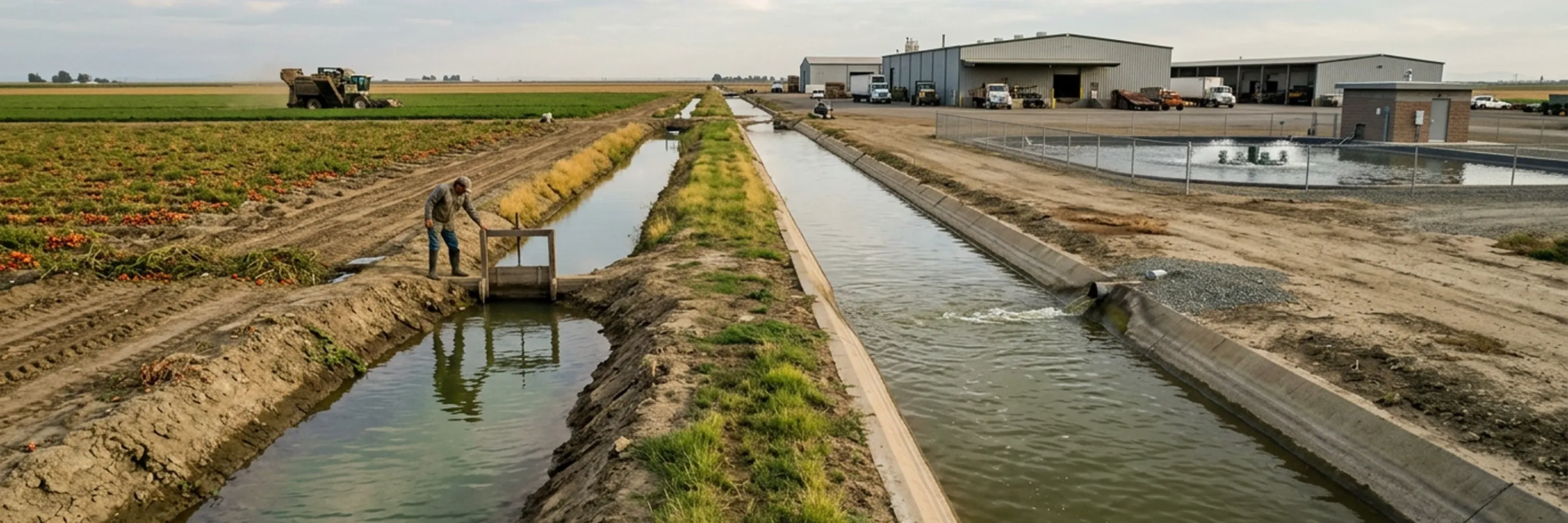
farmer managing irrigation canal between crop fields with water flowing through agricultural drainage system near farm buildings

Why Wastewater Treatment Processes Fail When Seasonal Organic Load Spikes

In this article, we explain why fixed chlorine dosing systems fail during seasonal organic load surges. We detail how the dual oxidation pathways of ozone maintain treatment efficacy and adapt automatically.

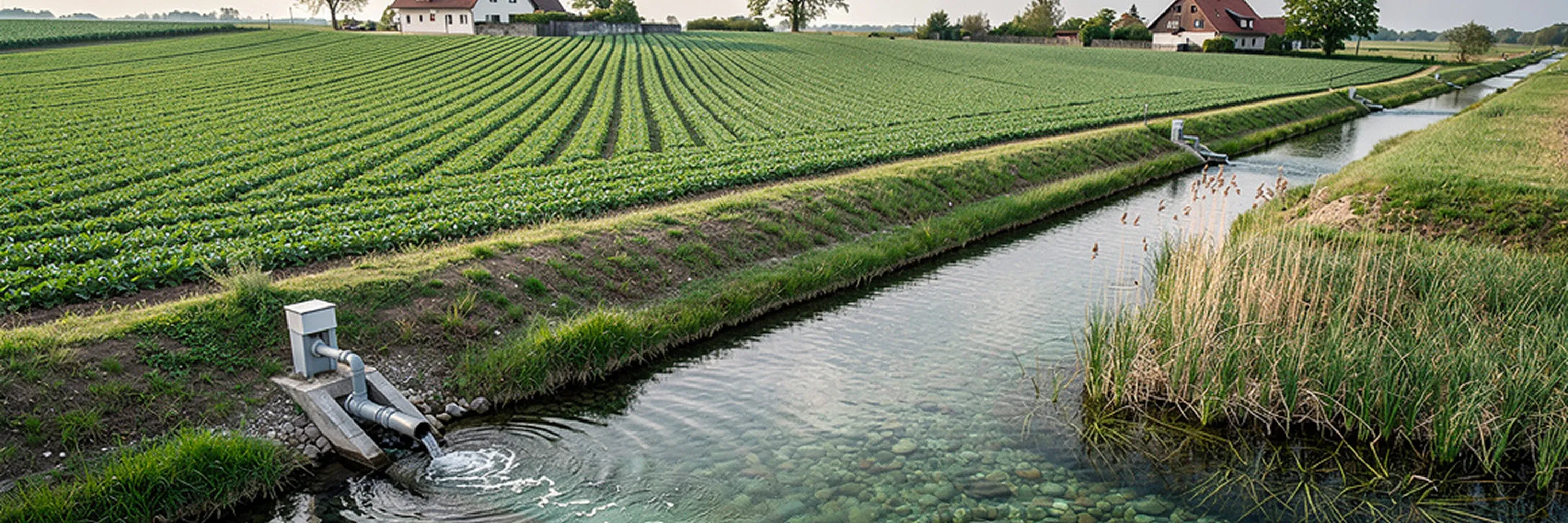
Irrigation canal supplying water to cultivated farmland in rural Europe with crop rows and drainage system for agricultural water management

Why Water Treatment in Food Industry is Forcing Egypt's Food Processors to Rethink Chlorine

In this article, we examine the changing requirements for water purification in Egypt's food processing sector. The discussion highlights why traditional disinfection methods fail against complex contamination and outlines the modern solutions that maintain compliance.

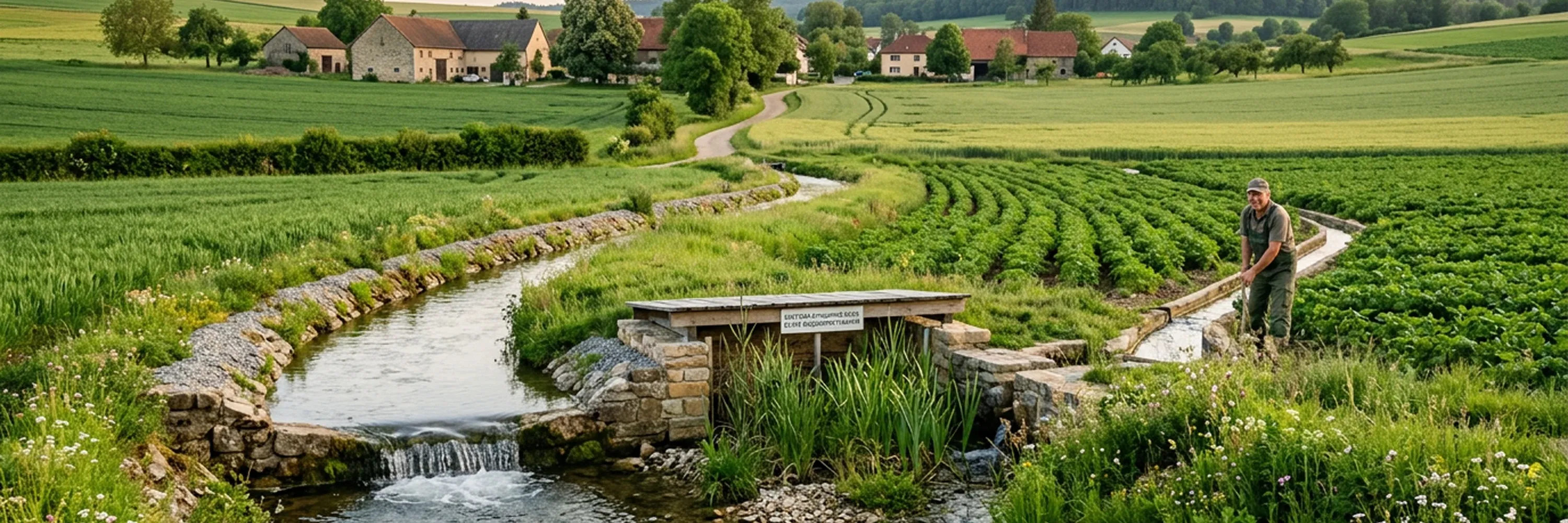
Farmer managing irrigation system in a green European farmland landscape with water channels, crops, and rural village in the background

Ozone Applications in Wastewater Treatment: Global Adoption Across Municipal, Aquaculture, Food Production Sectors

In this article, we examine the growth of ozone technology across municipal, aquaculture, and food processing facilities worldwide. We analyze the specific operational and economic dynamics that make sector-specific evaluation necessary for integration into modern facilities.

Scenic rural countryside with clear flowing river green fields and village homes under blue sky representing clean water and natural environment

Why Strict Drinking Water Standards Make Ozone Systems Essential for Compliance

In this article, we explore how global water quality regulations tighten simultaneously across multiple contaminant categories. We explain why conventional disinfection methods struggle to meet these new requirements and how alternative oxidation technologies offer a clear compliance pathway.

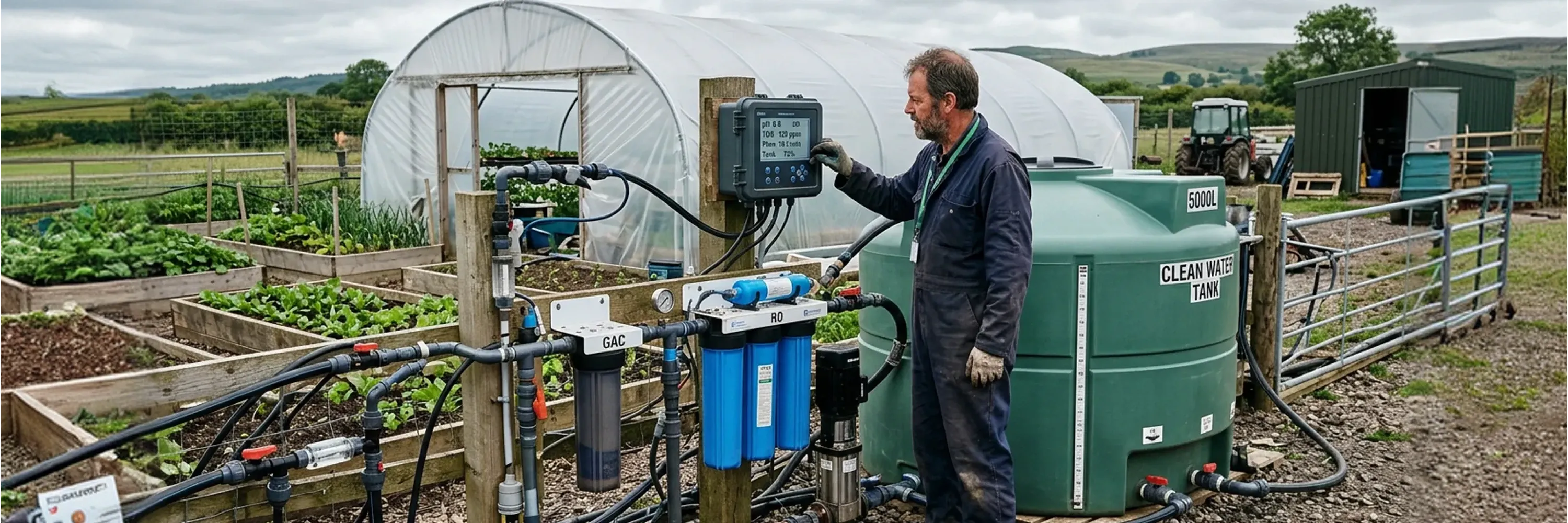
Farmer operating smart irrigation and water filtration system with clean water tank supporting greenhouse vegetable farming and sustainable agriculture

How Small Organizations Can Connect Monitoring, Treatment, Reuse, and Disinfection Into Single Water Management System

In this article, we explain how to select and integrate modern approaches that reduce waste and maintain quality at a small-organization scale. This framework connects monitoring, treatment, recycling, and disinfection into a single operational system to help facilities manage their resources efficiently.

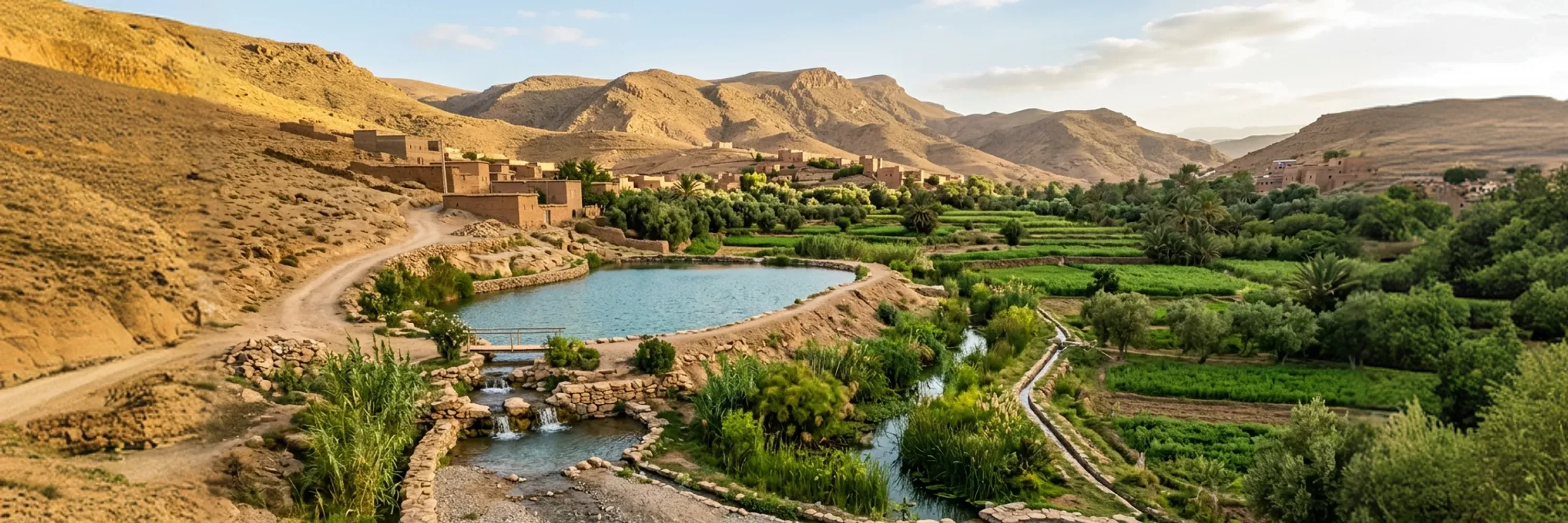
Desert oasis landscape with irrigation pond, green agricultural fields, and a traditional mountain village surrounded by arid hills.

Water Quality Enhancement in MENA and Why Filtration, Oxidation, and Ozone Require Different Applications

In this article, we examine various treatment technologies to address specific contamination problems. We compare filtration, oxidation, and ozone methods to highlight the importance of matching treatment strategies to distinct residential and regional water challenges.

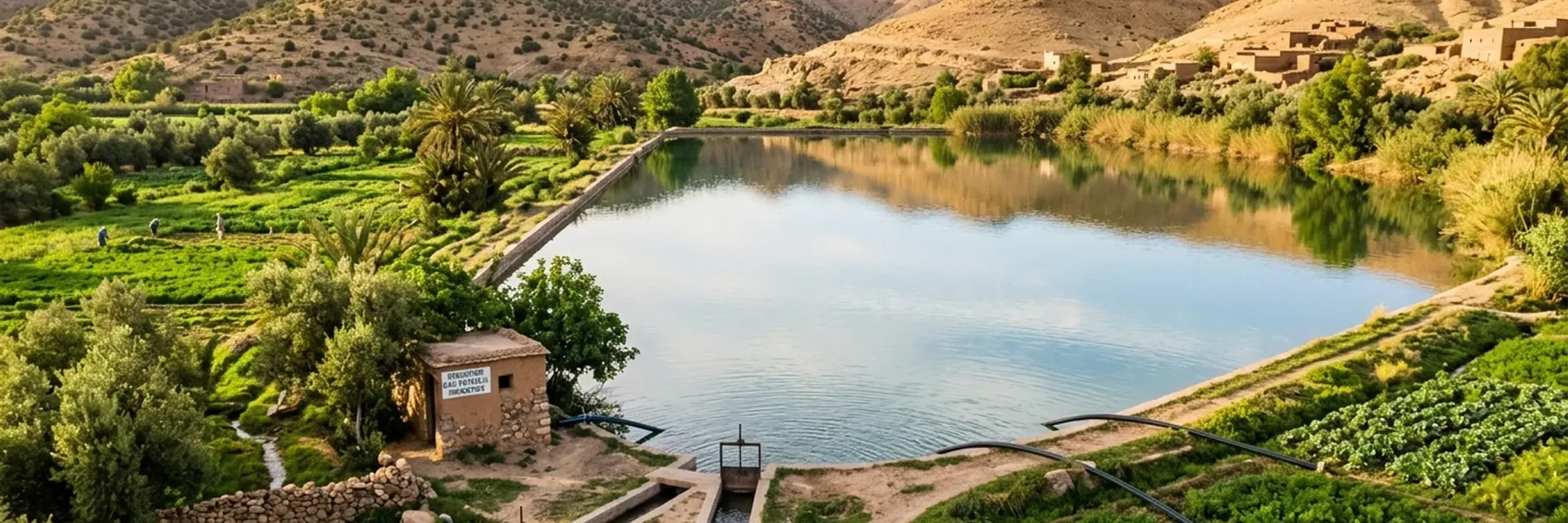
Agricultural landscape with irrigation reservoir, green farmland, palm trees, and rural hills, illustrating sustainable water management and farming practices.

Ozone Drinking Water Treatment in North Africa and Its Role in Desalination, Agriculture, and Public Health

In this article, we examine how disinfection technologies address extreme water scarcity and climate vulnerability across North Africa. We analyze the transition from conventional chlorine systems to ozone-based systems to evaluate the scientific, economic, and infrastructure requirements for regional water security.

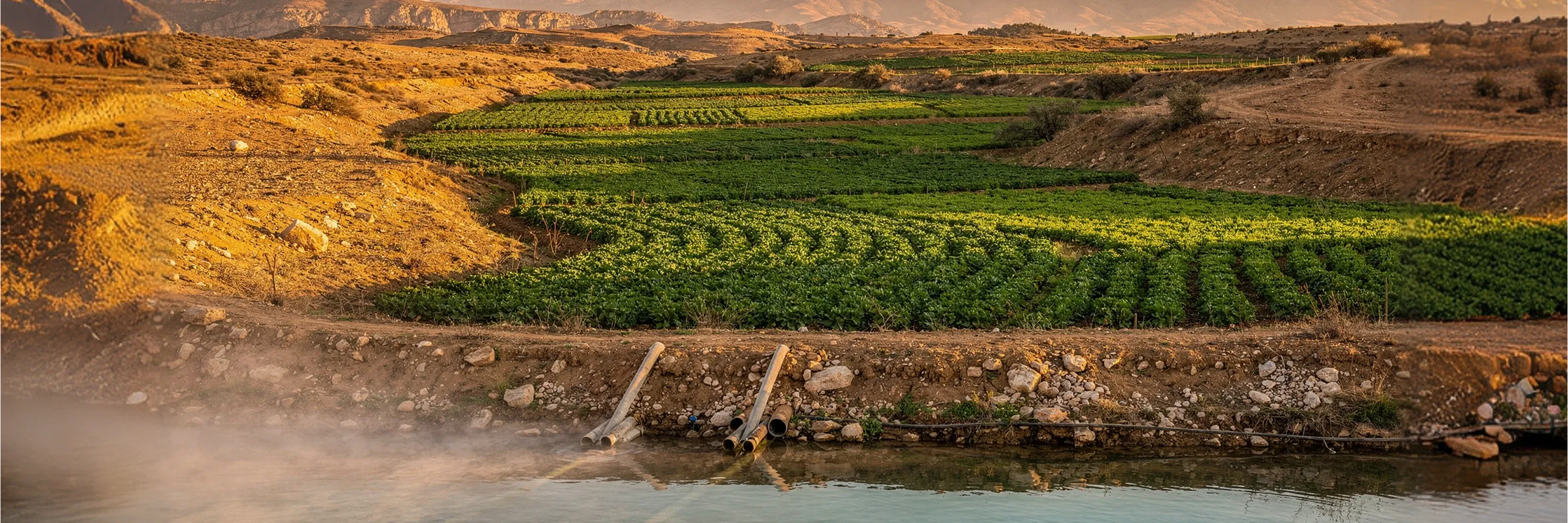
Irrigated farmland in an arid region with green crop fields supported by water channels and irrigation pipes.

What Causes Surface Water Contamination in MENA and Why Ozone Treatment is Gaining Ground

In this article, we explain how contamination develops across the MENA region's water sources, and we describe how ozone-based treatment addresses these critical challenges. The specific oxidative capabilities of this technology provide a foundation for infrastructure decisions and sustainable water management.

Irrigation pond in farmland at sunset surrounded by crop fields, showcasing sustainable agriculture and water management.

Ozone and Chlorine Wastewater Disinfection Evaluated for Human Health and Environmental Safety

In this article, we explain the critical differences between ozone and chlorine treatments for residential water systems. We highlight how each method distinctly impacts human health and the surrounding environment during residential use instead of industrial applications.

Agricultural irrigation pond with water storage system supplying farmland crops at sunset.

How Agricultural Water Treatment Protects Crops Before Irrigation Starts

In this article, we explain how stored reservoir water chemically and biologically degrades over time and why early action prevents severe crop and equipment damage. This discussion outlines the specific stages of water deterioration and details practical strategies to maintain high water quality before application.

Mediterranean village with stone houses and a large olive tree beside a narrow water canal under a clear blue sky

Why Ozone Disinfection Method Of Water Treatment Outperforms Conventional Systems

In this article, we examine how ozone-based systems provide an alternative to traditional chlorination. We explore the long-term financial, operational, and safety advantages of this shift for modern infrastructure.